Pooplers
Released: 12/03/2020
Developer
Art Games Studio S.A.
Publisher
Art Games Studio S.A.
Description
RECENTLY RELEASED
Check this games from Art Games Studio::
About the Game
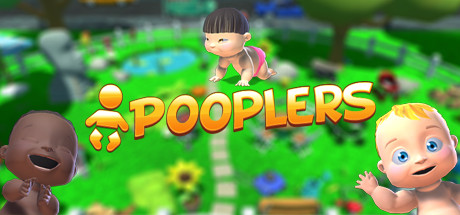
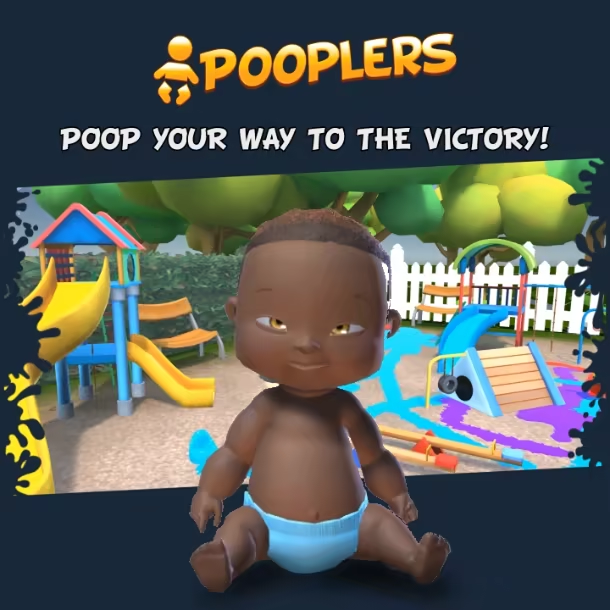
Pooplers is a multiplayer game where up to four players take control over babies. Toddlers do not belong to the calm ones, as soon as nobody watches them, they crawl around the house, pooping on the floor. The player who "color" most of the map wins.The game is diversified by power-ups and a mother who refers each toddler to a cot as soon as she sees her child pooping on the floor. Staying in a cot reduces the chance of winning in a given round. A humorous game, however, has a number of elements that diversify the gameplay and allow you to create tactics. Poop your way to victory!
Visit beautiful maps, to poop around. House, farm, seabed or even space ship.
Choose different game modes such as:
- PVP free for all pooping
- Team vs Team pooping
- Zombie horde co-op
- Play as a parent vs pooplers
- Play silly football match as a toddler!
Play with Friends or learn new tactics alone, with bots. Poop in!
Price
$8.99
Platforms

Followers
113
Updated 25/02/2026 06:10
Reviews
56% positive out of 9
Updated 24/02/2026 12:33
Metacritic
No data
Copies sold
297
Revenue
$698
Twitch
No data
 View on SteamOfficial Website
Reviews History
What this shows: Review accumulation over time reveals player sentiment and community reception. The line tracks total review count growth—steep increases indicate viral moments or major updates. The colored bars show daily review breakdown: green (positive) vs. red (negative). Watch for sudden red spikes, which often signal controversies, technical issues, or unpopular changes. Sustained green dominance (70%+ positive) correlates with long-term sales success. For investors, review velocity matters—games maintaining 1,000+ reviews per month show healthy engagement. Compare review ratios to Metacritic scores to spot discrepancies between critic and player reception.
Followers History
What this shows: Follower count tracks ongoing community engagement over time. Unlike wishlists (which reflect purchase intent), followers indicate sustained interest and active monitoring. Rapid growth spikes often correlate with viral moments, major updates, or positive press coverage. For released games, continued follower growth suggests healthy long-term engagement, which supports DLC sales and live-service revenue. For unreleased games, steady upward trajectory indicates building hype. Compare the slope of this line to similar titles—steeper growth rates predict stronger commercial performance. Use the comparison feature to benchmark against up to 4 genre competitors simultaneously for comprehensive competitive analysis.
What this shows: Recent follower momentum across different time periods. Positive growth indicates increasing community interest and can signal upcoming catalysts like announcements, updates, or viral moments. Compare short-term (24h, 3D) vs long-term (14D, 30D) trends to identify acceleration or deceleration in community growth. Sudden spikes often precede or follow major news events.
Player Statistics
What this shows: Concurrent player counts (CCU) and daily active users reveal real-time engagement with the game. High sustained CCU indicates healthy player retention, which drives ongoing revenue through in-game purchases, DLC, and premium subscriptions. Look for the 24-hour peak—multiplayer games should show clear patterns (evening spikes in major regions). Single-player titles typically see declining CCU over weeks unless major updates or discounts occur. For investors, sustained player counts months after launch signal successful live-service implementation. Sharp drops may indicate server issues, negative publicity, or loss of interest. This data complements revenue estimates—games with 100,000+ daily players usually generate significant recurring income.
Search Interest
What this shows: Google Search trends reveal public awareness and interest over time, independent of Steam metrics. Spikes indicate moments when the game captured mainstream attention—typically around announcements, trailers, beta releases, or launch day. Compare search interest to follower growth to gauge whether marketing efforts are reaching beyond the existing gaming community. For unreleased games, rising search volume suggests effective promotional campaigns. For released games, sustained search interest months after launch indicates lasting cultural relevance. Investors should note: viral search moments don't always translate to sales, but they do indicate brand awareness that could drive future DLC or sequel success. This data helps answer "Is anyone talking about this game outside of core gaming circles?"
Loading search interest data...